


Swiflets and swifts are two bird species that are often associated with bird’s nests. These birds have significant differences in appearance, characteristics, and habitats. However, interestingly, both types of birds can coexist in the same building.
Swiflets
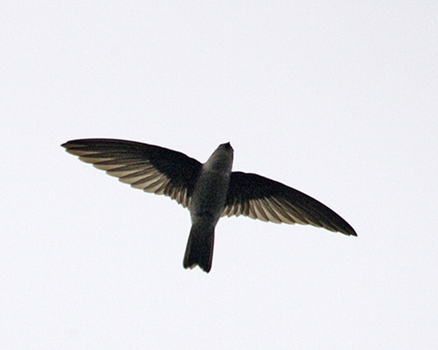
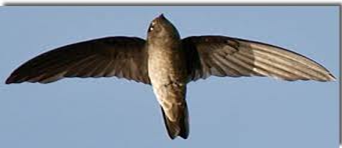
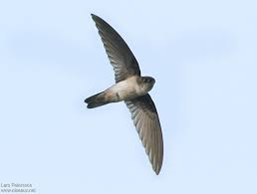
Swiflets (Aerodramus spp.) are birds that produce bird’s nest and live in caves and high buildings. There are several types of swiflets found in the world, including White-nest Swiftlet (Aerodramus fuciphagus), Black-nest Swiftlet (Aerodramus maximus), and Indian Swiftlet (Aerodramus unicolor).
Swiflets are endemic to Southeast Asia and the Pacific regions. They live in large colonies that can reach hundreds of thousands of birds, and the bird’s nest produced by the original swiflet has a high price due to its good quality and international halal recognition.
Swifts
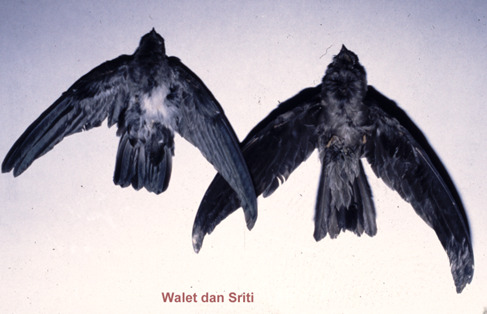
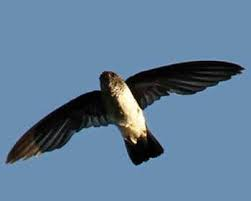
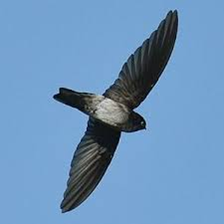
Swifts (Apodidae spp.) are also birds that produce bird’s nests but differ from swiflets. In Indonesia, there are two types of swifts, namely Edible-nest Swiftlet (Collocolia esculenta) and Mossy-nest Swiftlet (Collocolia vanikorensis).
At first glance, there is no striking difference between the types of swiftlets; the difference lies only in their feet. Swifts live in a different environment than swiflets, more commonly found in open environments such as forests or lowlands, and they build nests in cracks or specific parts inside caves.
Differences between Swiflets and Swifts
In general, the differences between swiflets and swifts can be seen from several aspects, as follows:
1. Feather Color
Swiflets have dark brown or black feathers, while swifts have light brown or grayish feathers.
2. Nest Color
Swiflets’ nests are ivory white, while swifts’ nests have greenish-brown color.
3. Habitat
Swiflets live in caves and high buildings, while swifts are more commonly found in open environments such as forests or lowlands.
4. Flying Movement
Swiflets fly with very fast and agile movements, while swifts fly with slower and more regular movements.
5. Feeding Habits
Swiflets usually fly in the air to catch flying insects, while swifts rely more on short flights to find food sources such as flowers or small insects.
6. Feeding Method
In terms of feeding method, swiflets and swifts also have differences. Swiflets take flying insects using their small and pointed beaks, while swifts use their long and forked tongues to suck flower nectar or lick small insects that they consume.
7. Body Size
Swiflets have larger body sizes than swifts. Swiflets have a body length of around 10-12 cm with long and narrow wings, while swifts are only about 9-10 cm with wings that are also narrow but wider than swiflets.
8. Nest Building Process
Swiflets make nests using only their saliva without any other material, while swifts also use a mixture of leaves, moss, and grass around them.
9. Types of Food
Swiftlets only eat large amounts of flying insects as their food. They fly in the air at night to catch flying insects such as mosquitoes, flies, and butterflies.
Sunbirds also eat flying insects, but their main food is flower nectar. In addition, sunbirds can eat small insects like small lice and fruit flies, as well as fine dust particles found in the air. They can also eat small fruits and grains.
10. Fluid Requirements
Swiftlets need water to drink and maintain their body balance. However, because they often fly and do not have easy access to water, swiftlets usually get water from the water condensation that forms on cave walls or tall buildings where they nest. However, when the weather is very dry and there is no water available from condensation, swiftlets can fly far to find water sources such as rivers or lakes to meet their water needs.
Like swiftlets, sunbirds also drink water to maintain fluid balance in their bodies. However, sunbirds do not always need a lot of water because they usually obtain most of their fluid from the flower nectar they suck. Sunbirds can drink water from natural water sources such as rivers, lakes, or other water sources if there are no other water sources available.